My partner and I reached a massive impasse within our marriage during the pandemic.
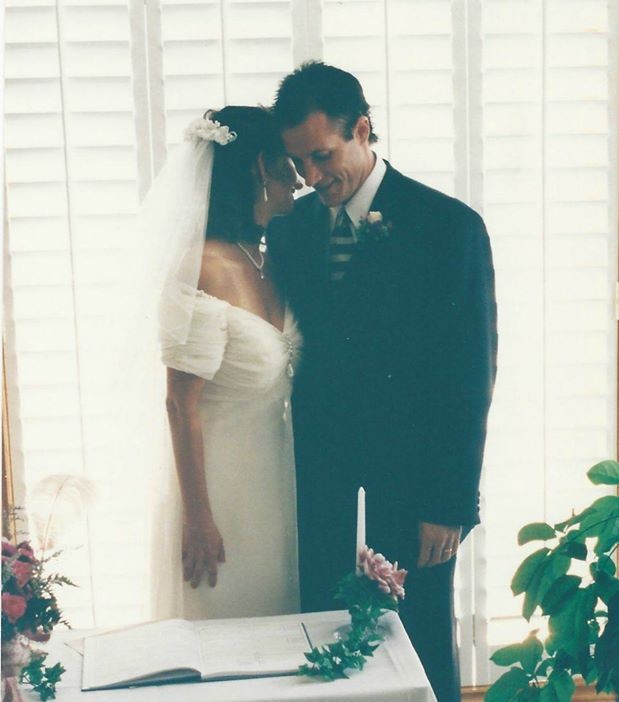
The timing was a conglomeration of more time spent together at home (where we found ourselves having in-depth conversations), a recent personal heartbreak for me, and five years of recognizing unhealthy patterns within our relationship—to the point where we considered splitting up after 26 years together.
We had also become grandparents around that time, which precipitated a need for change in lifestyle, at least for me
Things are always in transition if we could only realize it.
Pema Chödrön
Nothing ever sums itself up in the way that we like to dream about.
All these seemingly coincidental occurrences were ripe for the changes we desperately needed to make.
Even the best marriage has its bad years—those times where emotional and physical intimacy are difficult to access. When buying a greeting card feels unbearable, because all the sentiments feel dishonest. That’s where we were at the time. Surviving.
During all this, I was mentoring couples on their relationships, with success. I had the tools; I just had to use them in my own marriage. It was a truly humbling time.
We began to talk about where we were codependent and why.
We’d always left a lot of room for individuality, taking time away, and pursuing our own interests. That was a building block we could keep. At the same time, we relied heavily on a pattern of care—I, an under-nurtured child, grew into a woman who was overly dependent on taking care of others.
That was the first place we decided to make a shift. While my instinct was to anticipate my partner’s every need, it was the very same instinct that didn’t allow room for him to provide for himself.
To be clear, at our beginning, he tried to do for me: “Please, sit down and let me make you a tea” and “I can do my own laundry.” But I wanted to take care of him. He was struggling with some health issues, and it only felt right to ease his workload. He had been abandoned by his mother, and I could certainly fill that role. He had limited energy from concussions sustained playing pro-hockey, but I could do it all.
It felt innocent enough—until it wasn’t. My addiction to productivity (another long story) and to nurture, caused a lot of imbalance and frustration.
And this often comes out in how you disagree on things, how you communicate, how you share your love.
When you wake up in your relationship and begin to make changes, the pain seems insurmountable. There are all these new boundaries to establish, and ingrained habits to let go of.
It would have been easy to throw it all in the trash and say we’d fallen out of love.
Nobody can keep up the high of the chemical-induced love we experience at the beginning of a relationship, although we had felt that for over 20 years. What we were maturing into with reduced codependence also came with a recognition that to live a lifetime together, we would still need or want things for each other.
Interdependence vs. Codependence
The balance we co-created meant that we could look after each other without it being a one-sided sacrifice.
We could live independent lives, fully function as a thriving couple, without putting unrealistic expectations on each other. No more “I can’t live without you” where the boundary of where one of us ended and the other began became unrecognizable.
While we both took on greater roles in our own lives and took responsibility for our own actions, reactions, and feelings, we agreed that mutual love and respect was something we both wanted.
You can be independent and still need the support of your partner. A secure attachment is not codependency.
After all, partnership is shared commitment.
We committed to communication and action that allowed space for my partner and I to feel cherished.
We committed to adventures that grew our friendship. I can be my own best friend and go on my own adventures—and do—but I also want this with him, when possible.
I committed to physical intimacy, and while I am responsible for my own pleasure, I want pleasure with my partner. While that may look different than it did 32 years ago, it is part of our shared need, and we’re working toward that.
Re-framed into codependency, this would have an element of demand to it—and disappointment if it didn’t happen. Now, we offer our love from a place of contentment within ourselves. We recognize where we get caught up in the demand. We don’t blame each other if we don’t feel fulfilled, but examine where we could be more present to each other’s needs.
We both know that we could survive without the other, and lead existentially happy lives, and that makes our connectedness ever more special. Because we continue to choose each other on this life-long partnership that we’re committed to.
Wanting companionship and the support of your person is a healthy attachment, when clear boundaries and self-responsibility are present.